The Bottle That Cries Wolf: A Joint ED–Laboratory Approach to Blood Culture Contamination
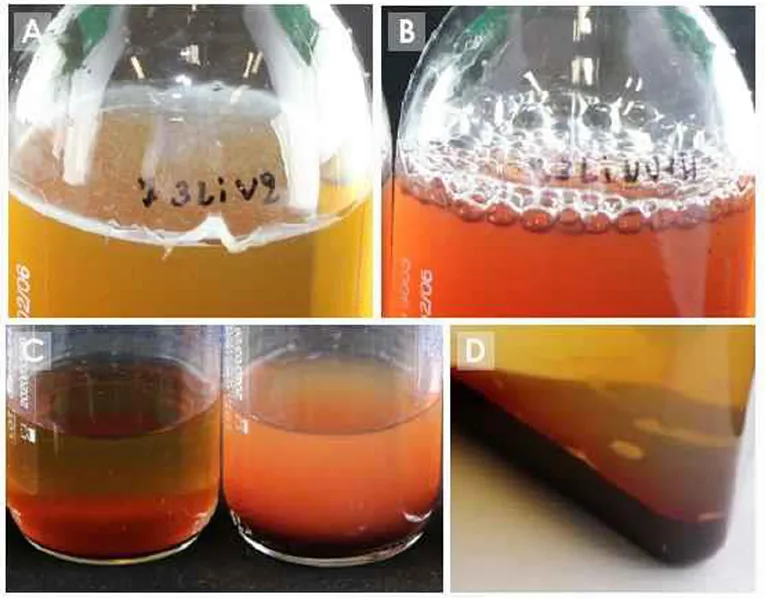
Photo: Ombelet, S., Barbé, B., Affolabi, D., Ronat, J. B., Lompo, P., Lunguya, O., Jacobs, J., & Hardy, L., CC BY 4.0, via Wikimedia Commons
In a UK emergency department at 03:00, a blood culture set is rarely just a diagnostic test. It is a compression of clinical uncertainty: a septic patient, a pressured cubicle, a junior clinician, a tray of bottles and a decision that will shape antibiotics, admission and length of stay. When one of those bottles grows a coagulase-negative staphylococcus three days later, the result may be dismissed as contamination. Sometimes it is. Sometimes it is not. The difficulty is that the system often treats the distinction as a laboratory problem rather than a shared process problem.
Contamination is not merely an inconvenience in the microbiology report. It can trigger unnecessary antibiotic exposure, prolong admission, prompt repeated sampling and obscure a true bloodstream infection. In an emergency department already managing high turnover and diagnostic uncertainty, a contaminated set becomes another competing explanation in an already crowded clinical picture. The case for improvement is therefore clinical as well as laboratory-led.
A process signal, not background noise
Blood culture contamination is not a single event. It is a measurable outcome of skin preparation, bottle handling, sampling site, fill volume and the culture set definition used in audit. That makes it controllable, at least in part. It also makes it vulnerable to the assumption that a certain rate is simply normal for a busy emergency department. A rate without a shared definition, however, is not a baseline; it is a conversation waiting to go wrong.
The starting point is a joint agreement between emergency and microbiology teams on what is being counted. Adult culture sets should be defined clearly, usually as an aerobic and anaerobic bottle pair from a single venepuncture. The denominator should be sets collected in the emergency department over a defined period, not individual bottles. The numerator should be sets deemed contaminated by a consistent laboratory rule, with clinical adjudication where the organism could be a true pathogen. There is no perfect definition. Coagulase-negative staphylococci, viridans streptococci and other skin commensals can be genuine pathogens in line-associated infection or in immunocompromised patients. The audit definition should therefore be explicit, stable and owned by both teams, not quietly revised when the figures look uncomfortable.
Antisepsis is a choreography
Skin antisepsis is often reduced to a product choice. In practice, technique matters more than the label on the applicator. Chlorhexidine gluconate 2% in 70% alcohol is widely used in UK practice, but its effectiveness depends on adequate cleaning, appropriate drying time and avoiding re-palpation of the prepared site. Fanning the site, wiping it dry too quickly or palpating the vein after preparation can undo the benefit. Bottle caps also need attention according to the manufacturer’s instructions; a brief wipe is not a ritual substitute for correct contact time.
Observation audit is more useful than another poster. A short, respectful review of actual collections can reveal whether staff are allowing the antiseptic to dry, whether gloves are being changed at the right moment and whether the tray layout encourages contamination. Training should be short, repeated and embedded in induction for relevant staff. The aim is not to create a culture of blame but to make the visible steps match the written procedure.
Bottles, volumes and the order of things
Adult blood culture sets usually pair an aerobic and an anaerobic bottle. Filling order is a local standard operating procedure issue, but consistency helps both technique and audit. A common approach is to inoculate the aerobic bottle first, followed by the anaerobic bottle, unless the manufacturer or local protocol specifies otherwise. More important than order is that both bottles are filled to the recommended volume. Underfilled bottles reduce sensitivity and can increase the chance of a false-negative result, particularly when the circulating organism burden is low.
Single-bottle cultures should be discouraged for routine adult practice because they reduce the chance of detecting a true bloodstream infection and make contamination assessment harder. Diversion devices, which discard an initial aliquot of blood, have been promoted as a contamination-reduction measure. The evidence is mixed and setting-dependent. They may help in some services, but they should not become a substitute for adequate skin preparation, proper bottle handling and a complete culture set.
Lines, diversion and the limits of kit
Peripheral venepuncture remains the preferred sampling route where it is safe and feasible. Sampling from existing central or peripheral lines should be reserved for situations where peripheral access is difficult or a line-associated infection is specifically suspected. When line sampling is necessary, the hub should be disinfected according to local policy, and the first aliquot may need to be discarded depending on the device and protocol. A diversion device can support this approach, but it does not remove the need for disciplined technique.
The temptation to buy a solution is understandable. Emergency departments are under pressure, and a new device can feel like a decisive intervention. Yet contamination is a human and system process as much as a technical one. Kit can reduce opportunity, but it cannot compensate for rushed preparation, poor lighting, inadequate staffing or a collection tray arranged in a way that invites error.
The feedback loop that changes behaviour
Monthly contamination data are only useful if they return to the clinical area in a form that can change practice. A laboratory report that sits in a quality file will not alter behaviour. A joint ED–laboratory review meeting can. The meeting should be brief, regular and focused on learning rather than naming. Aggregate data by area, shift or collector group, depending on local governance arrangements, and present them as run charts rather than single monthly figures. Variation over time is more informative than a solitary percentage.
A useful agenda includes a small number of anonymised case reviews, a check on collection volumes and a discussion of one or two practical tests of change. These might include a revised collection tray, a brief simulation session, a shift-level prompt or a change to when bottles are labelled. The emergency team should own the clinical actions; the laboratory should own the definition, the analysis and the interpretation. Neither should own the problem alone.
A target that invites improvement
A contamination rate of 3% is often cited as a benchmark, but it is not a universal law. Case mix, sampling route, laboratory methods and the audit definition all influence the figure. A more honest approach is to establish a local baseline, agree a realistic relative reduction aim and review progress over several months. Chasing zero can encourage under-culturing, reduced fill volumes or manipulation of the denominator. The aim should be fewer false-positive episodes without compromising the detection of true bloodstream infection.
Where the evidence is thinner than the enthusiasm
Several interventions are widely advocated but not equally well supported. Dedicated phlebotomy teams, diversion devices, line-sampling bundles and feedback programmes have varying evidence bases and may work differently in different UK settings. That does not mean they should be ignored. It means they should be introduced with local measurement and a willingness to stop if they do not deliver. The strongest foundation remains a complete culture set, adequate volume, disciplined antisepsis and a feedback loop that reaches the people taking the blood.
Two bottles may look like a small answer to a large clinical question. In reality they carry a system’s assumptions about who prepares the skin, who fills the bottle, who reads the result and who acts on it. Taking blood culture contamination seriously means treating those assumptions as part of infection control, not as background noise.